

Owned Software
You shouldn't have to become
a software engineer to own good software.
ForgeKit builds software around the real people, rules, and rhythms of your organization — then hands you the tools to run and evolve it yourself. Not rented SaaS you adapt to. Not custom software you depend on a developer to touch forever.
The Mission
Greater ownership and influence over the software that shapes your life.
Most small organizations get a bad trade: rented SaaS that isn't built for them, or custom software that leaves them permanently dependent on whoever built it. ForgeKit exists to make a third option real — software built around how you actually work, that you can keep running and evolving yourself.
That only works if the software underneath can be trusted to change safely, without a developer standing between you and every update. AI coding agents can build fast — but speed alone doesn't earn trust. We got burned learning that the hard way, building real products for real businesses: a plausible-but-wrong fix, a passing test that proved nothing, a consequential change shipped with no review. So we built the assurance system underneath everything ForgeKit ships — controls, evidence, verification, and prevention, from intent through accepted result. It's not what we sell you. It's why what we sell you is safe to own.
Misunderstood objective
An agent solves a plausible version of the problem, not the actual one.
Incomplete completion
Tests pass while the intended result remains incomplete.
Repeated failure
The same class of issue quietly returns across sessions.
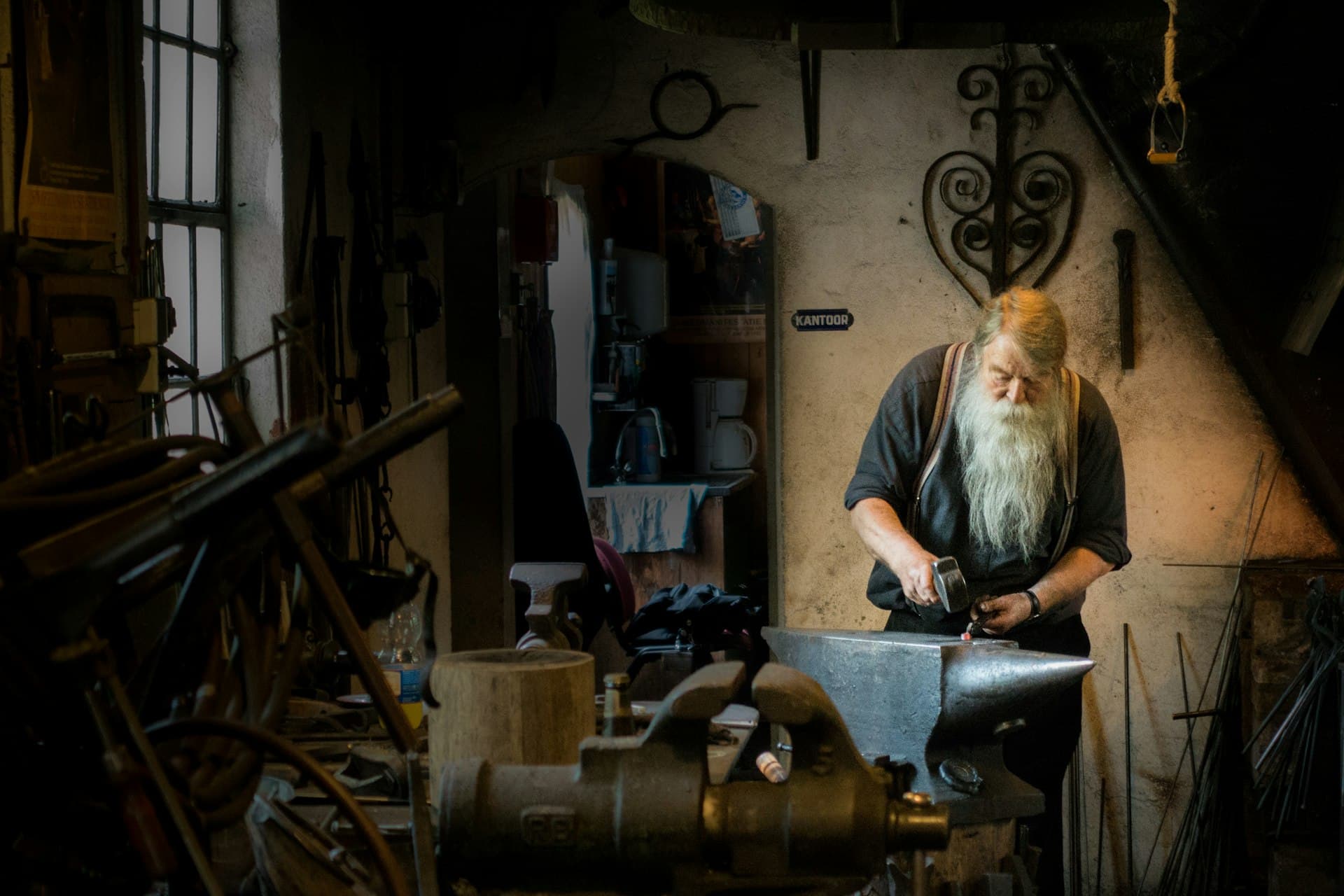
From the Founder
I've been building software for years. The bottleneck was always the same: engineering takes time, skill takes years, ideas wait.
Then something shifted. Working with AI, I found that if I could think something clearly enough — describe it specifically, imagine it in detail — I could build it. Not someday. That afternoon.
It felt like being a kid again, when the only limit was what you could think of.
The constraint didn't disappear. It moved. It's no longer “can I engineer this?” It's “can I imagine it clearly enough?”
That question is more interesting. And the answer, it turns out, is learnable.
But building fast with an agent surfaced a second question: how do you know the work is actually right? Not “did it compile” — did it do the thing I actually meant, safely, in a way I could check later.
That question matters because of what it unlocks: if the work can be trusted without an engineer checking every step, the person who actually knows the problem — not just whoever can code — can be the one steering the software as it changes. ForgeKit OS, the assurance system running underneath everything we build, is what makes that trust real instead of a promise.
— Zeb Jungeberg, Medina OH
How We Think About AI
AI that works behind the scenes.
Not in front of the relationship.
Sally the pet sitter doesn't need a robot texting her clients. She needs a draft ready the moment she finishes a walk — so she can add her own words, attach a photo, and send it herself. That's the message that makes a client feel cared for. The AI did the boring part. Sally did the human part.
For a contractor following up on 40 leads, auto-send is a feature, not a shortcut. He doesn't have time to review every message — and his clients don't expect a personal touch on an estimate reminder. The tool reads the room.
AI handles the forgotten work. Humans deliver the relationship.
How the Engine Works
Every build makes the
next one sharper.
Every product we build teaches us something the next one gets for free. A contractor's missed lead. A pet sitter's visit notes. A household's coordination load. A family's fading context. The pattern doesn't disappear after launch — it becomes part of the engine.
Discover it
Find the real workflow people are already fighting through.
Forge it
Ship working software a real person can use.
Compound it
Compress what was learned so the next build starts ahead.
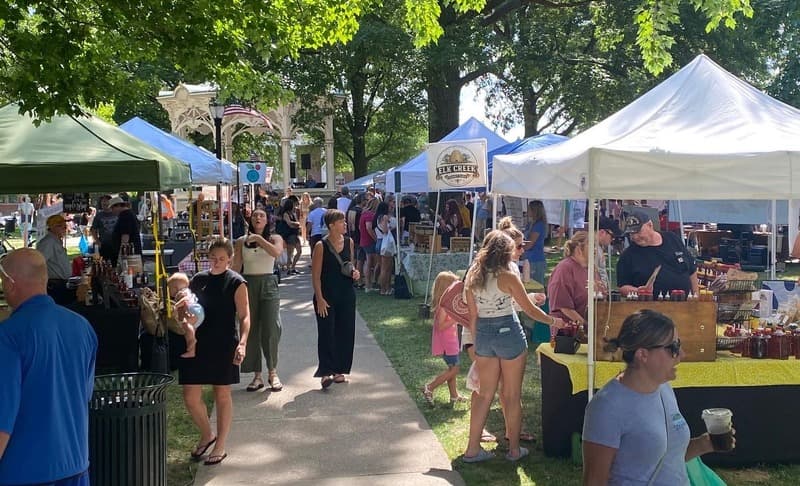
We're from here.
So are our customers.
Medina, Ohio. Not a tech hub. Not a startup scene. Just a city full of people who own businesses, work hard, and don't have time to figure out complicated software.
That's who we build for. We know them because they're our neighbors. When the software doesn't work right, we hear about it at the hardware store.
That kind of accountability makes better software. It's also why ForgeKit Labs — Forge, Leashline, Hearth, Known — stays part of the company, not a memory of what it used to be. Real products with real consequences are still where the assurance system gets tested first.
Build · Grow · Ignite
Tell us what's held together with duct tape →